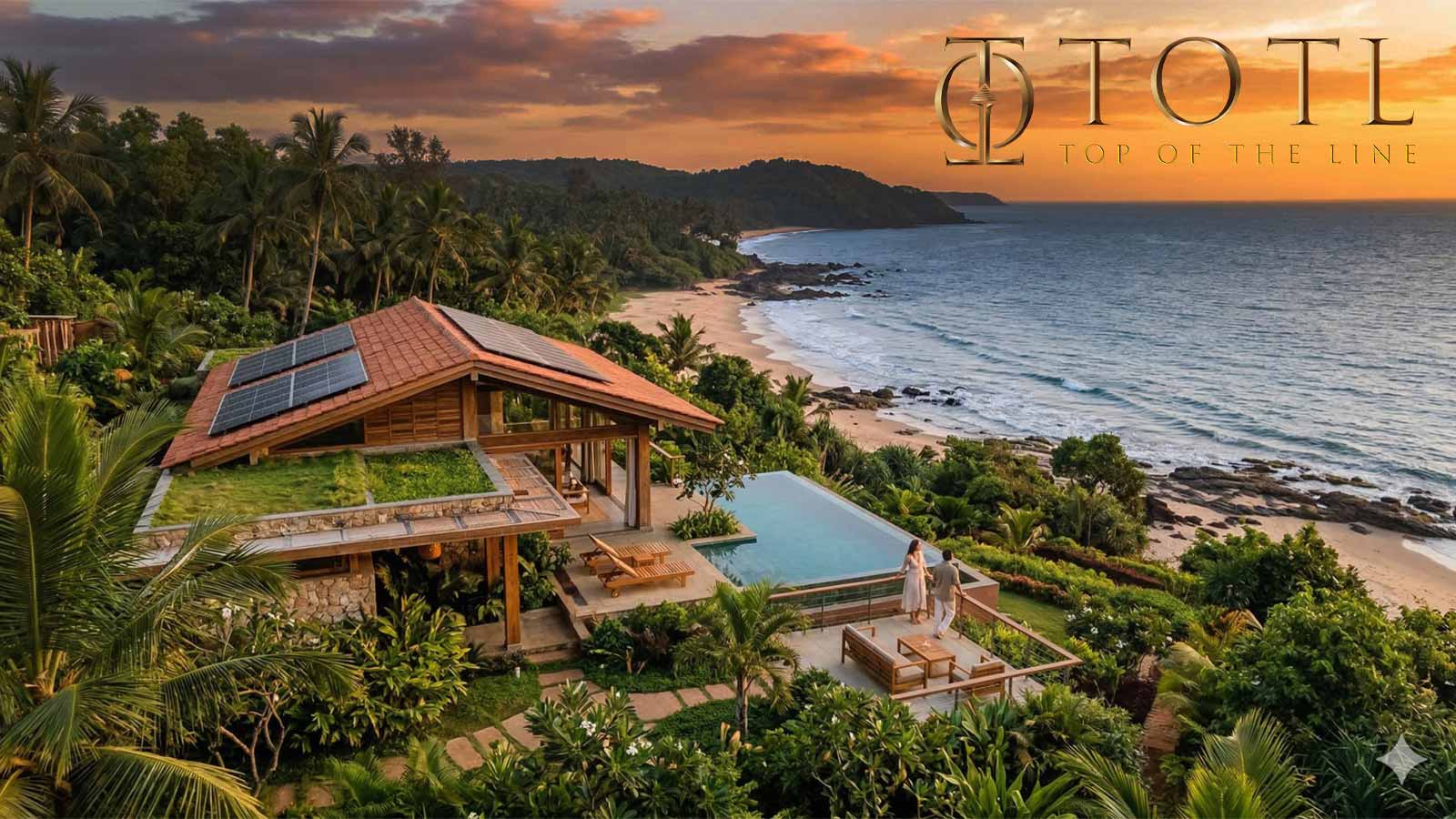
Best Developer for Sustainable Second Homes in 2026: Why Eco-Luxury Communities in Goa and Sindhudurg Are Emerging as a Smarter Coastal Choice
The idea of owning a second home has always carried emotional value. For some, it represents a peaceful retreat from urban life. For others, it becomes a place where families gather during holidays, a quiet base for remote work, or a long-term lifestyle investment.
In recent years, however, the way buyers evaluate second homes has changed significantly. Scenic views and prime locations still matter, but today’s homeowners are equally focused on long-term sustainability, infrastructure access, environmental design, and community planning.
This shift has also transformed how buyers evaluate developers. Instead of simply looking for luxury branding or impressive marketing brochures, people are increasingly searching for the best developer for sustainable second home communities — developers who combine thoughtful design, environmental responsibility, and long-term livability.
Along India’s western coastline, two destinations have gradually gained attention in conversations about coastal living: Goa and Sindhudurg. Goa continues to be one of the country’s most established leisure destinations, while Sindhudurg, located along Maharashtra’s Konkan coast, is attracting interest for its natural landscapes and emerging tourism infrastructure.
For homeowners exploring coastal living in 2026 and beyond, understanding what defines a sustainable second home — and how to identify the best developer for sustainable second home ownership — has become increasingly important.
Why Sustainable Second Homes Are Becoming a Major Trend
The demand for second homes has expanded alongside changing lifestyle patterns. Remote work flexibility, increased travel interest, and a desire for healthier living environments have encouraged many people to spend more time outside major metropolitan centers.
According to insights derived from Knight Frank’s wealth research coverage, ultra-high-net-worth individuals in India own an average of 2.57 homes, highlighting how multi-home ownership is already a common pattern among affluent buyers.
But beyond ownership numbers, the priorities of buyers have evolved. Sustainability has emerged as one of the most important factors shaping residential design decisions.
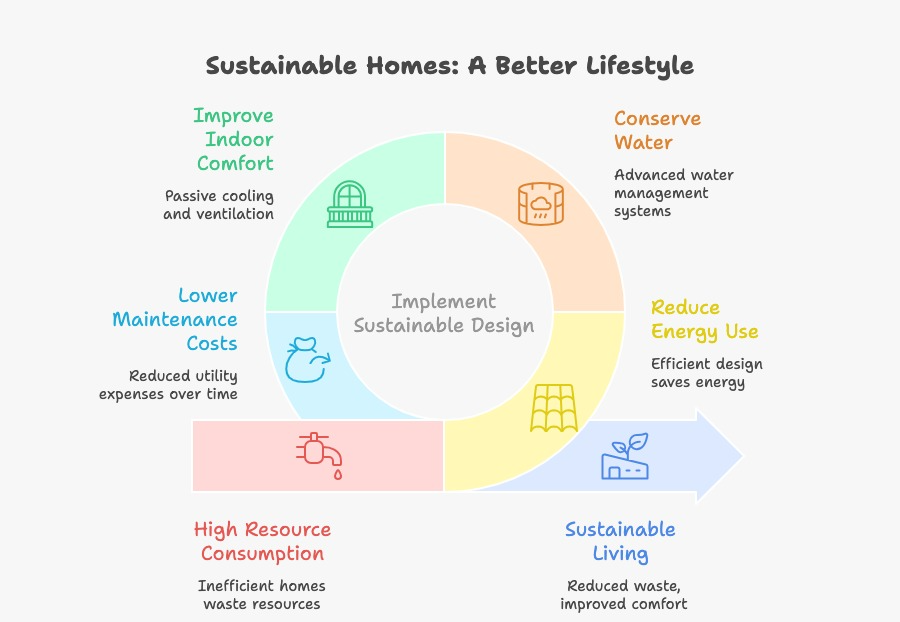
A sustainable second home is not simply environmentally responsible. It also offers practical advantages:
- Lower energy consumption
• Better water management
• Reduced long-term maintenance costs
• Healthier indoor living environments
Homes built with these principles are often easier to maintain and more comfortable to occupy over long periods of time.
As buyers begin prioritizing long-term livability rather than short-term appeal, developers who focus on responsible land planning and environmentally conscious architecture naturally stand out. In many cases, the best developer for sustainable second home communities is the one who understands that environmental design and lifestyle comfort go hand in hand.
What Defines a Sustainable Second Home Today
While sustainability has become a popular buzzword in real estate, its true meaning is rooted in measurable design principles. A sustainable second home incorporates architectural strategies that minimize environmental impact while improving comfort and operational efficiency.
Climate-Responsive Architecture
Coastal climates require buildings that respond intelligently to heat, humidity, and airflow. Passive cooling strategies such as cross-ventilation, shaded outdoor spaces, and orientation planning can significantly reduce the need for artificial cooling systems.
These design principles help maintain comfortable indoor temperatures naturally, which also reduces energy consumption over time.
Water Conservation Systems
Water sustainability is an essential aspect of responsible development. Rainwater harvesting, groundwater recharge systems, and efficient irrigation practices allow communities to use resources more responsibly.
The Indian Green Building Council reports that green buildings can achieve 20–30 percent energy savings and 30–50 percent water savings compared with conventional buildings.
Energy Efficiency
Energy efficiency is not limited to renewable energy installations. Intelligent design choices — such as insulation, daylight optimization, and building orientation — can significantly reduce overall energy demand.
For second homes that may remain unoccupied for parts of the year, these efficiency strategies help minimize operational costs and simplify long-term ownership.
Healthier Indoor Environments
Sustainable homes also prioritize indoor air quality, natural lighting, and materials that contribute to healthier living spaces. This approach supports physical well-being and enhances the overall residential experience.
Community-Level Sustainability
Beyond individual homes, sustainable development also includes responsible community planning. Low-density layouts, preserved green spaces, and thoughtfully designed infrastructure contribute to a harmonious living environment.
The best developer for sustainable second home projects considers not only individual residences but also how the entire community interacts with its surrounding landscape.
Identifying the Best Developer for Sustainable Second Home Communities
Selecting the right developer is one of the most important decisions in any real estate purchase. In the context of coastal second homes, it becomes even more critical because location, infrastructure, and environmental conditions all influence long-term livability.
When buyers search for the best developer for sustainable second home living, several factors deserve careful attention.
Genuine Commitment to Sustainability
Developers who genuinely prioritize sustainability integrate environmental thinking into the earliest stages of planning. This includes site analysis, architectural orientation, water systems, and landscape design.
Communities built with these principles tend to age better and maintain their quality over time.
Location Selection
The strength of a second-home destination often depends on connectivity, tourism demand, and regional development initiatives. Developers who choose locations supported by infrastructure and long-term destination planning are better positioned to deliver successful communities.
Balanced Community Planning
Well-planned communities maintain a balance between privacy, accessibility, and shared spaces. Walkable layouts, open landscapes, and thoughtfully positioned homes contribute to a calm and welcoming environment.
Maintenance and Long-Term Management
Second homes require reliable maintenance systems, particularly when homeowners are away for extended periods. Developers who design communities with clear management structures help ensure that properties remain well-maintained over time.
Planning Transparency and Regulatory Compliance
Responsible developers operate within clear legal frameworks and maintain transparency in documentation and approvals. Buyers benefit from developers who follow established planning guidelines and maintain professional project governance.
Evaluating these factors allows buyers to identify the best developer for sustainable second home communities with greater confidence.
Why Goa Continues to Attract Second-Home Buyers
Goa has long held a unique place in India’s tourism landscape. Its beaches, cultural heritage, and relaxed atmosphere have drawn visitors for decades.
Over time, the region has also evolved into one of the country’s most popular destinations for second-home ownership.
One of the most important developments strengthening Goa’s accessibility has been the opening of Manohar International Airport (Mopa). Domestic operations began in January 2023, with international operations following later that year.
Improved air connectivity has made travel to Goa more convenient for residents across India and international travelers alike. For second-home buyers, ease of access is a major factor that influences how frequently the property can be used.
Tourism statistics released by the Goa government further highlight the state’s continued popularity as a leisure destination.
The combination of cultural vibrancy, tourism infrastructure, and improved connectivity ensures that Goa remains one of the most appealing coastal locations for homeowners seeking lifestyle-driven properties.
Sindhudurg: A Coastal Region with Growing Attention
While Goa has a well-established reputation, nearby coastal regions such as Sindhudurg are gradually gaining recognition for their natural landscapes and tranquil environment.
Located along Maharashtra’s Konkan coastline, Sindhudurg is known for its beaches, forts, and traditional coastal culture. The district is also part of broader regional initiatives designed to strengthen tourism and infrastructure along the Konkan belt.
The Maharashtra Tourism Policy 2024 outlines a strategy for enhancing tourism infrastructure, supporting investment, and promoting destination development across the state.
As regional connectivity and tourism awareness continue to improve, areas such as Sindhudurg may become increasingly attractive for buyers seeking peaceful coastal environments.
For homeowners interested in calm surroundings and nature-focused living, the region offers a different kind of coastal experience compared with more urbanized tourism hubs.
Goa and Sindhudurg: Two Destinations, One Coastal Lifestyle
Rather than viewing Goa and Sindhudurg as competing destinations, many buyers see them as complementary parts of a broader coastal lifestyle.
Goa offers vibrant culture, dining, and nightlife. Sindhudurg offers quieter landscapes and a slower pace of life. Together, they represent a diverse coastal belt where homeowners can enjoy both dynamic tourism environments and tranquil natural settings.
Developers exploring the region are increasingly aware of this dual appeal. Communities designed for sustainable living often integrate elements of both destinations — combining accessibility, natural landscapes, and thoughtful architecture.
In this context, the best developer for sustainable second home communities is typically one who understands how to create residential environments that respect both the land and the lifestyle expectations of modern homeowners.
The Rise of Eco-Luxury Communities
Luxury today is no longer defined solely by scale or extravagance. Instead, many homeowners associate luxury with comfort, privacy, and environmental harmony.
Eco-luxury communities represent this new philosophy of living. These developments combine high-quality design with sustainability principles, creating spaces that feel both refined and responsible.
Homes within eco-luxury communities often feature:
- Landscape-integrated architecture
• Open green spaces and walking trails
• Natural ventilation and daylight optimization
• Community gardens or nature zones
Such environments encourage residents to connect with their surroundings rather than simply occupy a building.
When sustainability becomes part of the design philosophy, homes tend to age more gracefully and maintain their appeal over time. Buyers who search for the best developer for sustainable second home ownership are often drawn to communities that reflect this thoughtful balance between luxury and environmental awareness.
A Practical Guide for Buyers Exploring Sustainable Second Homes
For those considering coastal living, a few practical questions can help guide the decision-making process.
Is the development designed with genuine sustainability principles?
Does the location benefit from improving connectivity and tourism activity?
Is the community planned to support long-term living rather than occasional visits?
Are water management and energy efficiency part of the design?
Does the developer demonstrate a clear understanding of coastal environments?
By evaluating these questions carefully, buyers can identify the best developer for sustainable second home communities and choose properties that align with both lifestyle aspirations and environmental responsibility.
FAQ
1. What is a sustainable second home?
A sustainable second home is a property designed to reduce environmental impact while providing long-term comfort and efficiency for homeowners. These homes often include climate-responsive architecture, energy-efficient systems, water conservation methods, and environmentally responsible materials.
Green building frameworks suggest that sustainable homes can significantly reduce resource consumption through intelligent design and planning. For example, the Indian Green Building Council states that green buildings can achieve 20–30% energy savings and up to 50% water savings compared with conventional buildings.
When evaluating the best developer for sustainable second home communities, buyers should look for developers who integrate these principles into the design of both individual homes and the surrounding community infrastructure.
2. How can buyers identify the best developer for sustainable second home projects?
Identifying the best developer for sustainable second home communities requires evaluating several important factors beyond location or visual appeal. Buyers should assess whether the developer incorporates environmental planning, efficient architecture, and responsible land use.
A reputable developer will typically prioritize water conservation systems, passive cooling design, green landscapes, and energy-efficient layouts. It is also important to review the developer’s track record, community planning approach, and commitment to long-term maintenance systems.
Responsible developers follow regulatory frameworks and sustainable development standards to ensure long-term viability. Buyers can explore green development frameworks such as those outlined by the Indian Green Building Council to understand what sustainability benchmarks may look like in residential projects.
3. Why are sustainable second homes becoming popular in India?
Sustainable second homes are gaining popularity in India due to changing lifestyle patterns and growing awareness of environmental responsibility. Many buyers today are seeking homes that support healthier living environments, reduced energy consumption, and better integration with nature.
According to wealth research insights reported by Knight Frank, affluent individuals in India often own multiple homes, highlighting the growing demand for leisure-oriented residential spaces.
Because second homes are often used for extended stays or remote work, buyers increasingly prefer developments that emphasize sustainability and comfort. The best developer for sustainable second home projects typically understands these evolving lifestyle needs and designs communities that prioritize long-term livability.
4. Why is Goa considered a strong destination for second homes?
Goa has long been one of India’s most established leisure destinations, attracting both tourists and homeowners with its beaches, cultural heritage, and relaxed atmosphere. Over the years, the region has developed a strong tourism infrastructure that supports second-home ownership.
Accessibility has also improved significantly with the opening of Manohar International Airport (Mopa), which began domestic operations in January 2023 and international operations later that year.
These connectivity improvements make it easier for homeowners to travel frequently. Buyers exploring Goa often look for the best developer for sustainable second home communities who can combine coastal lifestyle appeal with environmentally responsible residential design.
5. What makes Sindhudurg an emerging coastal destination?
Sindhudurg, located along Maharashtra’s Konkan coastline, is gradually gaining recognition for its scenic landscapes, historical landmarks, and quieter coastal environment. The region offers natural beauty and cultural heritage that appeal to buyers seeking peaceful residential retreats.
The Maharashtra Tourism Policy 2024 also highlights initiatives aimed at strengthening tourism infrastructure and supporting destination development across coastal regions.
As infrastructure and tourism awareness continue to grow, Sindhudurg is attracting attention from homeowners interested in tranquil coastal living. Many buyers evaluating this region also look for the best developer for sustainable second home communities that prioritize environmentally sensitive development.
6. What are the benefits of eco-luxury communities?
Eco-luxury communities combine high-quality residential environments with sustainability principles. These developments emphasize open landscapes, natural ventilation, and environmentally responsible design, creating homes that are both comfortable and efficient.
Unlike conventional developments, eco-luxury communities often incorporate features such as water management systems, landscaped green spaces, and climate-responsive architecture. These elements contribute to a healthier living environment and improved long-term property value.
Buyers seeking the best developer for sustainable second home communities are often drawn to eco-luxury projects because they reflect a balanced approach to luxury, environmental stewardship, and long-term livability.
7. What sustainability features should buyers look for in a second home?
When evaluating a second home, buyers should look for design features that improve environmental efficiency and long-term comfort. Some key sustainability features include passive cooling systems, cross-ventilation architecture, rainwater harvesting, and energy-efficient building materials.
Green building frameworks emphasize the importance of water conservation, energy efficiency, and indoor environmental quality in residential developments.
Communities designed with these principles often provide better living environments and lower operating costs. For this reason, buyers frequently seek the best developer for sustainable second home communities who can demonstrate expertise in environmentally responsible planning.
8. Why is sustainability important in coastal real estate development?
Coastal regions present unique environmental conditions such as humidity, temperature fluctuations, and seasonal weather patterns. Sustainable architecture helps buildings adapt to these conditions while reducing environmental impact.
Design elements like natural airflow, shaded outdoor spaces, and water management systems improve both durability and comfort. Sustainable planning also helps protect coastal ecosystems by minimizing excessive resource use.
Developers who prioritize these principles often create communities that age more gracefully and maintain their appeal over time. Buyers evaluating coastal properties often focus on finding the best developer for sustainable second home projects who understands how to design responsibly in coastal environments.
9. How does infrastructure influence second-home decisions?
Infrastructure plays a critical role in the success of second-home destinations. Connectivity through airports, highways, and tourism facilities determines how easily homeowners can travel to their property and enjoy extended stays.
Regions with strong infrastructure support tend to experience sustained tourism activity and residential demand. For example, improved air connectivity through the Mopa airport in Goa has strengthened the region’s accessibility for domestic and international travelers.
Buyers often consider these factors when choosing the best developer for sustainable second home communities, ensuring that the location offers both lifestyle appeal and long-term accessibility.
10. What should buyers consider before investing in a sustainable second home?
Before purchasing a sustainable second home, buyers should carefully evaluate both the development and the surrounding destination. Important considerations include environmental design, infrastructure access, long-term maintenance planning, and regulatory compliance.
It is also helpful to review the developer’s approach to sustainability, community planning, and architectural quality. Projects that incorporate environmentally responsible design and thoughtful infrastructure often provide a more enjoyable ownership experience.
Buyers exploring coastal living typically prioritize developers who combine responsible planning with long-term vision. In many cases, identifying the best developer for sustainable second home communities ensures that the property remains comfortable, resilient, and valuable for years to come.
Looking Toward the Future of Coastal Living
India’s coastline has long played an important role in shaping tourism, culture, and residential lifestyles. From traditional fishing villages to modern hospitality hubs, coastal regions have gradually evolved into some of the country’s most desirable living environments. In recent years, however, the idea of coastal living has begun to transform in meaningful ways.
Buyers today are not simply searching for beachfront views or weekend getaway homes. They are looking for destinations that combine natural beauty with long-term sustainability, thoughtful infrastructure, and community-oriented development. As a result, the future of coastal living is increasingly being defined by environmentally responsible planning and intelligent design.
One of the key factors shaping this evolution is the growing emphasis on sustainability in residential architecture. Climate-responsive buildings, efficient water management systems, and landscape-sensitive design are becoming central elements of modern coastal communities. According to the Indian Green Building Council, sustainable building practices can significantly reduce environmental impact while improving resource efficiency and occupant comfort.
For second-home buyers, this shift is particularly important. Unlike primary residences, second homes are often used intermittently throughout the year. Sustainable design ensures that these homes remain energy efficient, easy to maintain, and comfortable even during extended periods of non-occupancy. Developers who integrate such principles are increasingly viewed as the best developers for sustainable second-home communities, because they focus on creating homes that remain practical and resilient over time.
Infrastructure development is another major influence shaping the future of coastal living. Improved connectivity makes it easier for homeowners to travel frequently between cities and coastal destinations. For instance, the introduction of Manohar International Airport (Mopa) in Goa has strengthened the region’s accessibility for both domestic and international travelers.
Better transportation networks allow second-home destinations to evolve into lifestyle hubs where residents can spend extended periods rather than only short holidays. This accessibility also encourages responsible development by supporting tourism, hospitality services, and local economies.
Policy initiatives are also playing an important role in shaping coastal regions. The Maharashtra Tourism Policy 2024, for example, outlines strategies to promote tourism infrastructure and investment across the state’s coastal belt, including regions along the Konkan coastline.
Such initiatives aim to strengthen destination ecosystems by improving connectivity, hospitality infrastructure, and tourism awareness. Over time, these improvements help coastal regions evolve into well-rounded lifestyle destinations where residential communities, tourism, and environmental stewardship coexist.
Another emerging trend in coastal living is the integration of eco-luxury design principles. Modern homeowners increasingly appreciate homes that offer privacy, open landscapes, and closer connections to nature. Eco-luxury communities reflect this philosophy by combining premium residential design with sustainability-focused planning.
Rather than maximizing construction density, many sustainable developments emphasize landscaped green areas, natural ventilation, and community spaces that encourage interaction with the surrounding environment. This approach allows residents to experience coastal living in a way that feels both refined and harmonious with nature.
As these trends continue to evolve, the role of developers becomes even more significant. The best developer for sustainable second home communities is typically one who understands how to balance environmental responsibility with architectural innovation and lifestyle design. Such developers prioritize long-term thinking — ensuring that communities remain attractive, comfortable, and environmentally responsible for decades.
Ultimately, the future of coastal living will likely be shaped by thoughtful collaboration between developers, policymakers, environmental experts, and homeowners themselves. Regions such as Goa and Sindhudurg illustrate how coastal destinations can evolve while preserving their natural character and cultural heritage.
For homeowners seeking meaningful second-home experiences, the coming decade may bring opportunities to live in communities where sustainability, comfort, and natural beauty are thoughtfully integrated. Coastal living will no longer be defined simply by proximity to the sea, but by how responsibly and intelligently communities are designed around it.
In this evolving landscape, identifying the best developer for sustainable second home projects will continue to be a key factor in shaping the future of responsible coastal living.