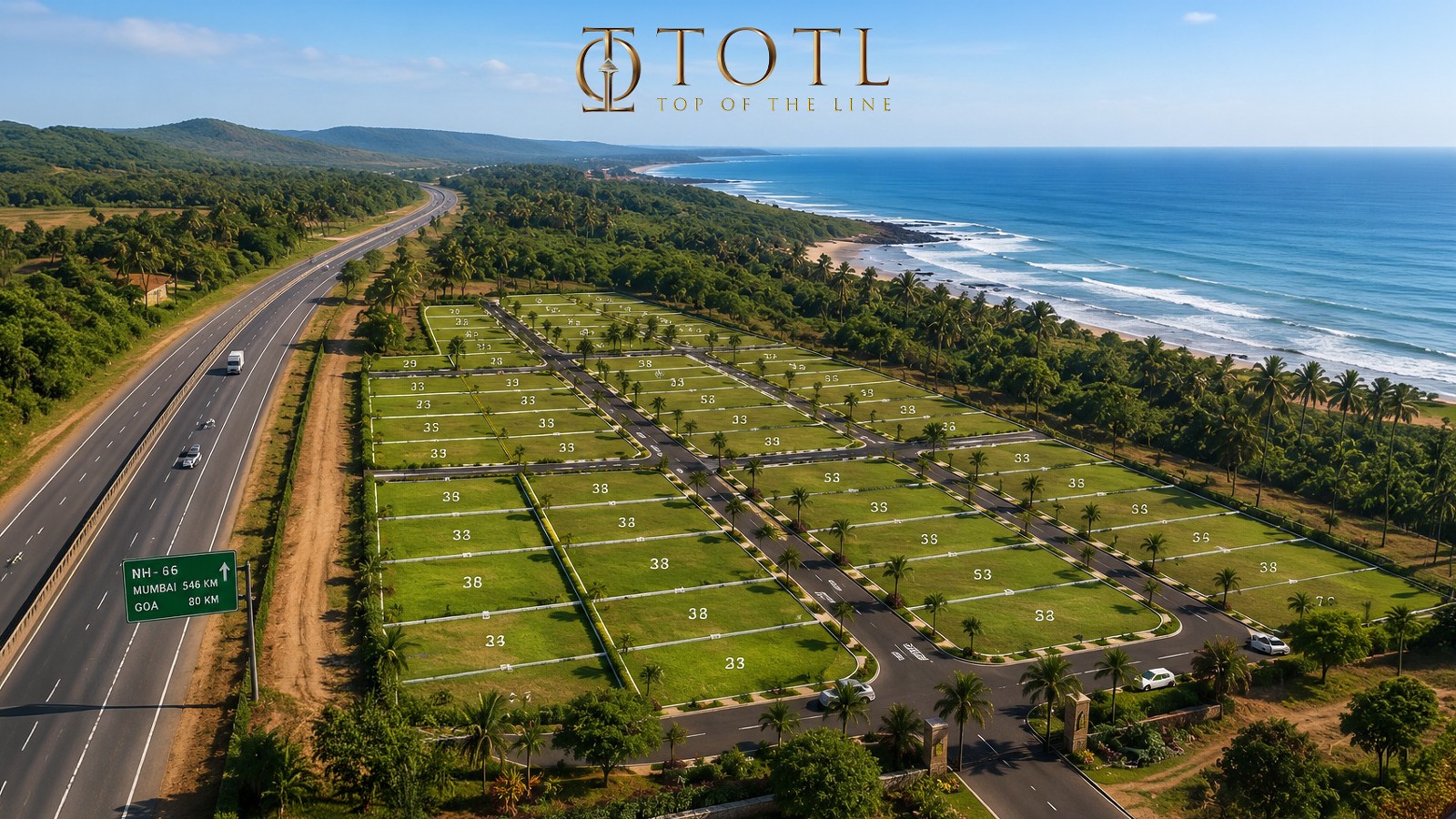
Why Climate Change, Rising Heatwaves & Lifestyle Migration Are Driving Land Investment in Goa and the Emerging Maha-Goa Region
India’s real estate market is entering a transformative decade. For years, property investment decisions were largely driven by proximity to business districts, urban infrastructure, and rental demand. But in 2026, a new factor is beginning to reshape investor behavior across India’s affluent class: climate.
As metro cities continue battling extreme heatwaves, worsening air quality, urban congestion, and declining quality of life, investors are increasingly looking toward greener, low-density, climate-friendly destinations for long-term wealth preservation and lifestyle security. This shift is creating massive attention around coastal and nature-centric regions like Goa and the emerging “Maha-Goa” corridor stretching into Sindhudurg.
In May 2026, several parts of Delhi NCR witnessed temperatures touching 42–45°C, according to the India Meteorological Department (IMD). During the same period, Goa remained comparatively moderate at around 29–31°C due to coastal climatic conditions and pre-monsoon weather patterns. For many investors, this contrast is no longer just about weather — it is becoming a long-term lifestyle and investment consideration.
Simultaneously, infrastructure expansion, tourism growth, remote working culture, Airbnb-driven hospitality demand, and wellness-focused living are accelerating interest in land investment in Goa and nearby emerging markets. Investors today are not simply buying property. They are investing in livability, sustainability, flexibility, and long-term quality of life.
This is why land investment in Goa and the broader Maha-Goa region is increasingly becoming part of strategic conversations among HNIs, NRIs, entrepreneurs, bureaucrats, politicians, and long-term investors seeking future-ready real estate opportunities.
India’s Urban Heat Crisis Is Reshaping Real Estate Preferences
India’s major metro cities are experiencing unprecedented climate stress. Heatwaves that were once considered seasonal anomalies are becoming recurring annual events. Urban temperatures are intensifying due to the urban heat island effect — a phenomenon where dense construction, concrete infrastructure, traffic emissions, and lack of green cover trap heat within cities.
Cities like Delhi NCR, Mumbai, Bengaluru, Hyderabad, and Ahmedabad are facing rising concerns related to:
- prolonged heatwaves
- poor air quality
- water shortages
- traffic congestion
- declining green spaces
- increasing population density
According to the Ministry of Earth Sciences, climate variability across India is expected to increase over the coming decades, impacting both urban infrastructure and daily lifestyle comfort.
For affluent Indians, the impact is becoming deeply personal. Health concerns, mental burnout, pollution fatigue, and urban stress are influencing how people evaluate long-term living environments. Luxury today is no longer defined only by premium interiors or prime city addresses. Increasingly, luxury is being associated with:
- breathable air
- open spaces
- privacy
- low-density living
- wellness-focused environments
- proximity to nature
This evolving mindset is influencing second-home demand and changing the psychology behind real estate investment decisions.
Investors who once prioritized metro-centric assets are now diversifying into climate-friendly investment destinations in India that offer long-term lifestyle resilience alongside appreciation potential.
Why Land Investment Is Becoming One of India’s Most Preferred Asset Classes
The benefits of land investment are once again becoming central to investor conversations across India. While apartments and commercial assets continue to remain important parts of the market, strategic land acquisition is increasingly viewed as a long-term wealth preservation strategy.
Unlike built structures, land is finite. It cannot be manufactured, duplicated, or vertically expanded endlessly. As infrastructure develops and urban spillover continues, strategically located land parcels become increasingly valuable due to scarcity.
This is one of the primary reasons why land investment in Goa and coastal corridors is attracting sophisticated investors.
The Benefits of Land Investment Compared to Apartments
One of the biggest benefits of land investment is lower depreciation risk. Buildings age over time. Maintenance costs increase. Apartment supply can expand rapidly in oversaturated urban markets. However, premium land in high-growth corridors often appreciates because of:
- infrastructure development
- tourism expansion
- increasing accessibility
- rising demand
- limited supply
Land also offers significantly greater flexibility than traditional residential assets. Investors can:
- build custom villas
- create Airbnb properties
- hold for long-term appreciation
- develop wellness retreats
- create retirement homes
- pass down legacy assets across generations
This flexibility is one reason why many HNIs prefer strategic land banking in emerging corridors.
Another major advantage is lower maintenance burden. Unlike apartments, land ownership generally involves fewer operational costs while still benefiting from appreciation cycles driven by surrounding infrastructure growth.
The Reserve Bank of India’s macroeconomic data and broader real estate market trends also indicate increasing investor preference toward real assets and alternative wealth diversification strategies. Reserve Bank of India (RBI)
In premium coastal destinations, the benefits of land investment become even more compelling due to the combination of:
- tourism-driven demand
- infrastructure-led growth
- second-home culture
- limited coastal inventory
- hospitality expansion
This is why land investment in Goa is increasingly viewed as both a lifestyle and financial decision.
The Rise of Climate-Friendly Investment Destinations in India
Climate resilience is quietly becoming one of the most important factors shaping luxury real estate demand globally. India is now beginning to experience the same trend.
Investors are increasingly searching for regions that combine:
- climate comfort
- accessibility
- natural surroundings
- tourism appeal
- infrastructure growth
- low-density planning
This has accelerated the popularity of climate-friendly investment destinations in India such as Goa, Sindhudurg, Alibaug, Coorg, and other wellness-oriented regions.
The concept of “livable luxury” is now becoming more relevant than traditional urban luxury. Modern affluent buyers increasingly value:
- wellness ecosystems
- greenery
- outdoor living
- sustainable architecture
- slower lifestyle environments
- reduced congestion
This shift has become particularly visible after the pandemic, which fundamentally changed how people view homes, mobility, work, and lifestyle.
The rise of remote working and hybrid work models has further reduced dependence on metro-centric living. Investors no longer need to remain permanently tied to dense urban environments. Instead, they can choose locations that offer both productivity and quality of life.
As a result, sustainable living investment is evolving from a niche concept into a mainstream luxury real estate trend.
Why Goa Real Estate Investment Is Entering a New Growth Phase
For decades, Goa was primarily viewed as a tourism destination. Today, it is increasingly emerging as a serious lifestyle and investment ecosystem.
Several factors are contributing to the new growth cycle in Goa real estate investment:
- infrastructure expansion
- luxury hospitality growth
- second-home demand
- remote working culture
- tourism diversification
- increasing HNI migration
- global visibility
Goa’s appeal today extends far beyond leisure tourism. Entrepreneurs, startup founders, consultants, artists, digital professionals, and wealthy families are increasingly viewing Goa as a viable long-term lifestyle destination.
However, rising prices in core North Goa markets have also pushed investors to explore nearby growth corridors. This is where the emerging Maha-Goa region is gaining strategic importance.
Areas near the Maharashtra-Goa border, particularly Sindhudurg and Sawantwadi, are increasingly benefiting from spillover demand due to:
- comparatively lower entry pricing
- larger land availability
- greener surroundings
- infrastructure connectivity
- proximity to Goa’s tourism ecosystem
Climate also plays a major role in this shift.
While cities like Delhi face extreme summer heat, coastal regions like Goa continue offering comparatively moderate climate conditions. This difference directly impacts livability, especially for retirees, second-home buyers, and long-term investors prioritizing wellness-oriented lifestyles.
According to Goa Tourism, tourism inflows and hospitality investments continue expanding across the state, creating additional support for real estate demand.
This broader transformation is one of the key reasons why land investment in Goa continues attracting investor attention across multiple segments.
Understanding the Rise of the Maha-Goa Investment Corridor
The term “Maha-Goa” is increasingly being used to describe the rapidly developing Maharashtra-Goa border belt that includes:
- Sindhudurg
- Sawantwadi
- Vengurla
- Shiroda
- nearby coastal regions connected to North Goa
This corridor combines the lifestyle advantages of Goa with the long-term infrastructure potential of an emerging market.
One of the biggest catalysts behind this transformation is Manohar International Airport. The airport has dramatically improved connectivity for North Goa and adjoining regions.
Airport-led development historically creates ripple effects across:
- hospitality
- tourism
- commercial activity
- residential demand
- second-home markets
The Mumbai-Goa Highway expansion is another critical infrastructure driver. Improved highway connectivity is expected to reduce travel time and strengthen tourism and weekend-home demand.
Similarly, Ro-Ro ferry connectivity between Mumbai and Sindhudurg is expected to improve accessibility and support coastal tourism growth.
Infrastructure expansion is not happening in isolation. Several hospitality and tourism-related projects are being discussed or announced across the broader region, including:
- luxury resorts
- tourism circuits
- eco-tourism projects
- waterfront experiences
- wellness-focused hospitality
According to regional investment materials and tourism-linked projections, tourist inflow in parts of Sindhudurg and adjoining coastal regions is expected to rise substantially over the coming years. This naturally creates increasing demand for:
- villas
- plotted developments
- hospitality land
- Airbnb-oriented assets
- second homes
The combination of infrastructure growth and climate-friendly positioning is one reason why land investment in Goa and the Maha-Goa corridor is increasingly viewed as a strategic long-term play.
Tourism, Airbnb Culture & Remote Work Are Transforming Coastal Real Estate
The rise of the short-term rental economy has changed how investors evaluate real estate.
Platforms like Airbnb India have created new income opportunities for villa owners and second-home investors. Goa remains one of India’s strongest experiential hospitality markets because of:
- year-round tourism
- international visibility
- strong lifestyle branding
- premium vacation demand
This trend is now expanding into surrounding regions such as Sindhudurg and Sawantwadi.
Simultaneously, workcation culture is becoming more mainstream among professionals and entrepreneurs. Hybrid work models have allowed affluent professionals to spend extended periods in coastal destinations while continuing business operations remotely.
This has increased demand for:
- nature-facing homes
- private villas
- wellness-oriented communities
- low-density plotted developments
- flexible second homes
Investors increasingly prefer villa plots over apartments because villa plots offer:
- privacy
- customization flexibility
- larger open spaces
- long-term usability
- multi-generational value
These factors are strengthening the case for land investment in Goa and nearby emerging coastal corridors.
Wellness Living & Sustainable Communities Are Becoming the New Luxury
Luxury real estate in India is evolving rapidly. The focus is shifting from purely aesthetic luxury toward wellness-driven and sustainability-oriented living environments.
Modern buyers increasingly seek:
- yoga zones
- walking trails
- native landscaping
- organic green spaces
- eco-sensitive planning
- wellness infrastructure
Developers across India are increasingly marketing:
- climate-conscious communities
- low-density master plans
- sustainable architecture
- nature-first living environments
This positioning resonates strongly with post-pandemic investor psychology, where quality of life and mental wellness have become major priorities.
Sustainable living investment is therefore becoming a long-term structural trend rather than a temporary market narrative.
Climate-friendly destinations are increasingly perceived as safer, healthier, and more future-ready compared to heavily congested metro environments.
Investor Psychology Is Changing After the Pandemic
One of the most important real estate shifts after COVID-19 has been psychological.
Before the pandemic, many investors primarily evaluated assets based on:
- location convenience
- office proximity
- rental returns
- urban connectivity
Today, investors increasingly consider:
- climate resilience
- wellness
- open spaces
- health impact
- environmental quality
- emotional quality of life
This is especially visible among HNIs and entrepreneurs who now prioritize:
- lifestyle diversification
- second-home flexibility
- family wellness
- peaceful environments
- long-term livability
As climate volatility increases globally, the importance of climate-friendly investment destinations in India may continue growing.
This is one reason why land investment in Goa is no longer viewed only through a tourism lens. It is increasingly becoming part of a broader lifestyle and wealth preservation strategy.
Why Land Investment in Goa Could Remain Strategically Relevant
The long-term outlook for Goa real estate investment remains closely linked to four major factors:
- climate appeal
- infrastructure development
- tourism growth
- lifestyle migration
Regions that combine these factors often experience sustained long-term demand because they attract both end-users and investors.
Unlike oversaturated urban markets where supply expansion can dilute value growth, premium coastal corridors with infrastructure limitations and environmental sensitivity often benefit from controlled supply dynamics.
Goa and the Maha-Goa region are increasingly positioned at the intersection of:
- second-home demand
- wellness living
- luxury hospitality
- remote working culture
- experiential tourism
- climate-conscious migration
This does not guarantee speculative returns, and serious investors should always approach real estate with proper due diligence. However, from a long-term macro perspective, the broader drivers supporting land investment in Goa appear increasingly aligned with future lifestyle trends.
What Investors Should Evaluate Before Buying Land
While opportunities in emerging coastal corridors are increasing, investors should maintain disciplined evaluation frameworks before purchasing land.
Key factors include:
- title clarity
- zoning regulations
- infrastructure connectivity
- development permissions
- long-term regional planning
- environmental sustainability
- developer credibility
Investors should also evaluate whether a location has:
- strong access roads
- airport connectivity
- tourism demand
- future infrastructure catalysts
- low-density planning
- legal transparency
Educational and research-backed decision-making is particularly important in emerging markets where long-term growth depends heavily on infrastructure execution and sustainable development.
FAQs
1. Why is land investment in Goa becoming increasingly popular among investors?
The growing popularity of land investment in Goa is being driven by a combination of climate comfort, tourism growth, infrastructure development, and lifestyle migration trends. As metro cities experience rising temperatures, pollution, congestion, and urban stress, many HNIs, NRIs, entrepreneurs, and long-term investors are exploring greener and low-density destinations for wealth preservation and second-home ownership.
Goa offers a unique combination of:
- coastal lifestyle appeal
- strong tourism demand
- international visibility
- improving infrastructure
- growing luxury villa culture
- remote working flexibility
Additionally, the expansion of Manohar International Airport and the Mumbai-Goa Highway are significantly improving regional accessibility and boosting surrounding real estate demand.
2. What are the major benefits of land investment compared to apartments?
The benefits of land investment are increasingly attracting long-term investors because land is considered a finite and appreciating asset. Unlike apartments, which may depreciate over time due to aging structures and oversupply, strategically located land often benefits from infrastructure-led appreciation and scarcity.
Some key benefits of land investment include:
- lower maintenance costs
- better long-term appreciation potential
- flexibility for future development
- lower depreciation risk
- ability to build custom villas or second homes
- potential for Airbnb or hospitality use
- long-term wealth preservation
Land also provides investors with greater control and adaptability compared to pre-constructed properties.
3. How is climate change influencing real estate investment trends in India?
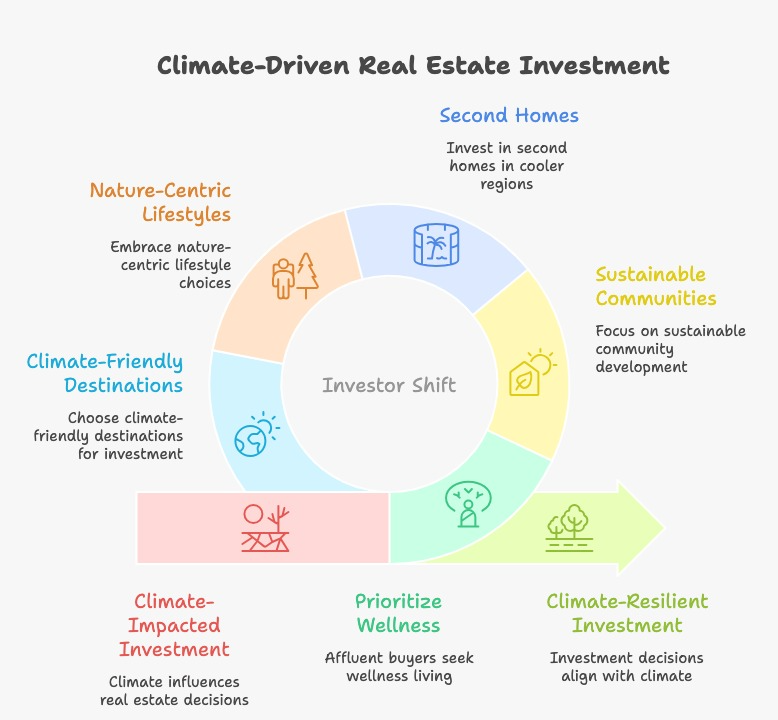
Climate change is increasingly influencing where people choose to live, retire, and invest. Rising heatwaves, pollution, water stress, and urban congestion in major metro cities are driving demand for climate-friendly investment destinations in India.
In May 2026, several parts of Delhi NCR reportedly experienced temperatures between 42–45°C, while Goa remained around 29–31°C due to its coastal climate conditions. This growing contrast is reshaping investor psychology and increasing interest in:
- second homes
- wellness communities
- low-density developments
- nature-centric living environments
Climate resilience is gradually becoming a major consideration in luxury real estate and long-term land investment strategies.
4. Why are investors now focusing on climate-friendly investment destinations in India?
Investors are increasingly prioritizing climate-friendly investment destinations in India because quality of life is becoming a critical part of long-term wealth decisions. Regions offering greener surroundings, lower density, cleaner air, and wellness-oriented living are gaining popularity among affluent buyers.
This trend accelerated after the pandemic as people began valuing:
- wellness
- environmental quality
- work-life balance
- mental health
- sustainable lifestyles
Destinations like Goa and the emerging Maha-Goa corridor are benefiting from this broader shift toward climate-conscious and lifestyle-driven real estate investment.
5. What is the Maha-Goa region and why is it attracting real estate investors?
The “Maha-Goa” region broadly refers to the Maharashtra-Goa border corridor, particularly areas around:
- Sindhudurg
- Sawantwadi
- Vengurla
- Shiroda
This emerging belt is gaining investor attention because it combines:
- Goa-like lifestyle appeal
- lower-density living
- strategic infrastructure growth
- proximity to beaches and tourism hubs
- relatively lower land acquisition costs compared to core Goa
Infrastructure developments like Manohar International Airport, highway expansion, and hospitality growth are further increasing the region’s visibility among serious investors.
6. Why is second-home investment in Goa growing rapidly?
The rise of hybrid work culture, lifestyle migration, and wellness-focused living is significantly increasing demand for second-home investment in Goa. Many affluent buyers are now seeking homes that offer:
- climate comfort
- work-from-anywhere flexibility
- privacy
- nature connectivity
- long-term livability
Goa’s strong tourism ecosystem also allows second homes to potentially function as:
- personal retreats
- vacation homes
- Airbnb properties
- long-term lifestyle assets
This dual-purpose flexibility is making Goa highly attractive among HNIs and NRIs.
7. How does infrastructure development impact land investment in Goa?
Infrastructure is one of the biggest drivers of long-term land appreciation. Improved connectivity, airports, highways, tourism projects, and hospitality expansion often increase demand for nearby residential and commercial real estate.
Key infrastructure developments supporting land investment in Goa and the Maha-Goa corridor include:
- Manohar International Airport
- Mumbai-Goa Highway expansion
- Ro-Ro ferry connectivity
- tourism and hospitality projects
- regional road improvements
Infrastructure-led growth often improves:
- accessibility
- tourism inflow
- business activity
- rental demand
- investor confidence
8. Is Airbnb culture increasing demand for villa plots in Goa?
Yes, the growth of Airbnb and experiential hospitality is increasing demand for villa plots and second homes across Goa and nearby coastal regions. Travelers increasingly prefer:
- private villas
- boutique stays
- wellness retreats
- luxury homestays
over traditional hotel-only experiences.
This trend has encouraged investors to explore plotted developments where they can eventually build custom villas for:
- vacation rentals
- family use
- hospitality income
- retirement living
The popularity of workcations and long-stay tourism is also supporting this demand.
9. What should investors evaluate before purchasing land in Goa or Maha-Goa?
Before making any land purchase, investors should conduct proper due diligence and evaluate:
- title clarity
- zoning regulations
- NA permissions
- infrastructure access
- future development plans
- environmental sensitivity
- developer credibility
Investors should also ensure that the property aligns with their long-term goals, whether for:
- wealth preservation
- second-home development
- retirement planning
- hospitality usage
- long-term land banking
Fact-based and research-oriented decision-making is especially important in emerging investment corridors.
10. Why are wellness living and sustainable communities becoming important in luxury real estate?
Luxury real estate is evolving beyond aesthetics and location. Today’s affluent buyers increasingly prioritize:
- wellness
- environmental quality
- low-density living
- sustainability
- mental well-being
As a result, developers are increasingly focusing on:
- green infrastructure
- wellness amenities
- eco-sensitive planning
- sustainable architecture
- nature-centric master planning
This shift reflects broader global trends where quality of life and climate resilience are becoming central to long-term luxury housing demand.
The Future of Luxury Real Estate May Belong to Climate-Friendly Destinations
Over the next decade, climate resilience may become one of the defining themes of global and Indian real estate.
As urban heat intensifies and lifestyle priorities evolve, climate-friendly destinations are likely to attract increasing attention from affluent buyers seeking:
- long-term livability
- wellness-oriented lifestyles
- environmental comfort
- legacy assets
- lifestyle diversification
This shift is already influencing investor behavior across India’s luxury and second-home markets.
Land, particularly in strategically located coastal corridors, is increasingly being viewed not only as a financial asset but also as lifestyle capital.
The growing attention around land investment in Goa and the emerging Maha-Goa corridor reflects this broader transformation.
For investors focused on long-term wealth preservation, sustainability, and quality-of-life-driven investing, the future of luxury real estate may increasingly belong to destinations that balance infrastructure growth with environmental livability.
As advisory-led firms like TOTL Realty continue tracking emerging investment corridors, the conversation around premium real estate is clearly evolving beyond conventional urban expansion toward a more climate-conscious and lifestyle-oriented future.